

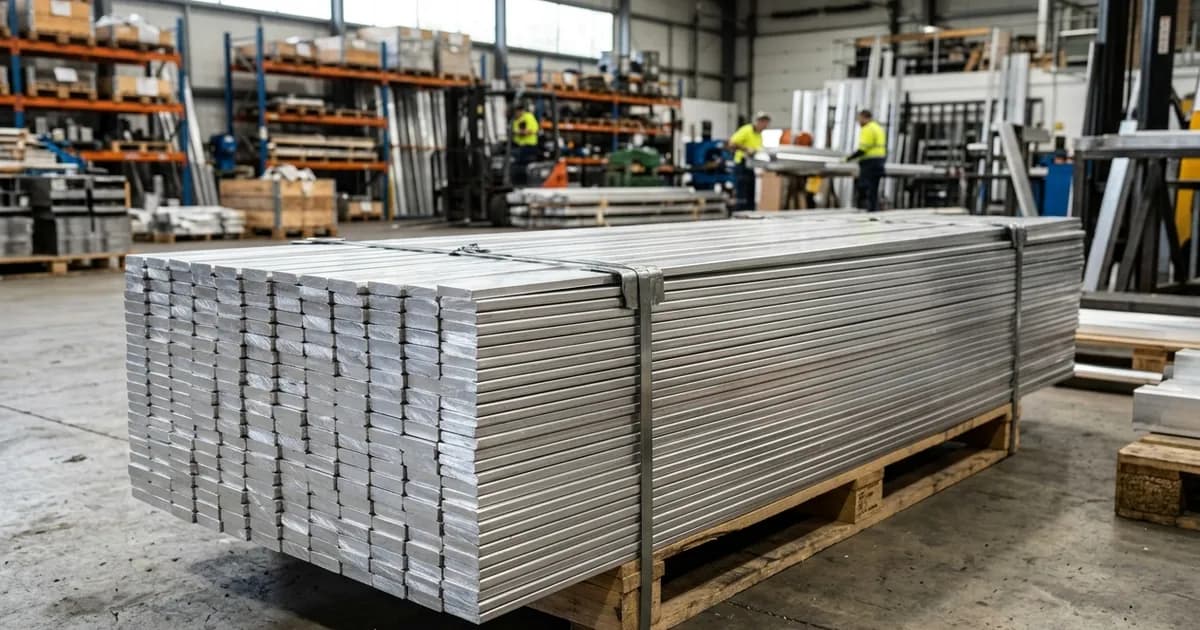
As India accelerates its electric mobility revolution—with thousands of DC fast-charging plazas, commercial EV fleet hubs, and grid-scale Battery Energy Storage Systems (BESS) springing up across Delhi NCR—hardware OEMs increasingly build their core enclosures from structural extruded aluminium profiles.
Unlike mild sheet steel enclosures that corrode rapidly when exposed to outdoor monsoon rains, road salt spray, and urban smog, Jindal Aluminium structural extrusions offer permanent weather resistance, non-magnetic electromagnetic shielding, superior thermal conductivity, and lightweight modularity.
From roadside AC/DC charging bollards to heavy multi-tier lithium-ion battery storage racks, custom extruded aluminium profiles solve multiple engineering challenges in a single integrated section.
4 Critical Engineering Demands in EV Infrastructure
1. Dual Structural & Thermal Dissipation
High-power DC fast-charging converters generate intense internal heat. Extruded aluminium enclosure profiles integrate outer comb cooling fins directly into the structural sidewalls, pulling heat away from sensitive silicon carbide (SiC) power modules without requiring noisy exterior air conditioning.
2. IP65 & IP66 Water-Tight Gasket Tracks
Extrusions can feature integral dovetail or U-groove gasket channels that secure continuous EPDM rubber seals around doors and access panels, preventing rainwater and desert dust ingress without messy silicone adhesives.
3. Non-Magnetic & Low Eddy Current Losses
Because aluminium is non-ferrous and non-magnetic, heavy alternating electromagnetic fields generated by high-voltage EV busbars and transformers will not induce parasitic eddy current heating inside the structural frame.
4. High Strength-to-Weight for Battery Racks
Commercial lithium battery packs weigh hundreds of kilograms per rack tier. Extruded aluminium slide channels support massive static and seismic loads while keeping overall battery cabinet weight low for easy forklift positioning.
Standard Sizing & Component Profile Matrix
Below is a dimensional reference table detailing extruded aluminium profiles commonly used in clean energy hardware manufacturing:
| EV Component Profile | Cross-Section Dimensions (mm) | Wall Thickness (mm) | Primary Hardware Role |
|---|---|---|---|
| Charging Pedestal Column | 150.0 × 150.0 mm (Hollow Column) | 3.00 to 4.00 mm | Main outdoor vertical bollard housing for roadside EV chargers |
| Battery Module Slide Rail | 50.0 × 30.0 mm (C-Channel with Lips) | 2.50 to 3.00 mm | Horizontal slide tracks supporting heavy lithium battery trays |
| Heat Dissipation Backplate | 200.0 mm Wide Base × 40.0 mm Fins | 6.00 mm Baseplate | Passive heat sink mounting plate for power inverters and rectifiers |
| Corner Framing Post | 45.0 × 45.0 mm (Multi-Chamber) | 2.20 to 2.80 mm | Skeletal corner framework for outdoor EV power conversion cabinets |
| Gasket Track Door Frame | 40.0 × 25.0 mm (With EPDM Groove) | 1.80 to 2.20 mm | Airtight enclosure access door perimeter resisting driving rain |
Surface Treatment Standards for Outdoor EV Hardware
- Class 2 Super-Durable Powder Coating (70-90μ): High-spec architectural polyester or polyurethane powders in pure white (RAL 9010) or traffic grey (RAL 7043) that withstand 1,000+ hours of continuous salt spray testing.
- Hard Anodizing for Internal Slide Rails: A 25 to 30-micron hard anodized coating provides a scratch-resistant surface that prevents galling when sliding heavy steel battery trays in and out during maintenance.
- Conductive Chemical Conversion (Alodine / SurTec 650): Applied to internal grounding surfaces to maintain low electrical contact resistance while preventing oxidation.
Frequently Asked Questions
Can aluminium EV charging pedestals withstand outdoor public vandalism?
Yes. Extruded aluminium hollow columns engineered with 3.5mm to 4.0mm wall gauges exhibit remarkable impact toughness (IK10 impact protection compliant), resisting vehicle bumper knocks and vandalism without denting.
What standard lengths are structural extrusions supplied in?
Standard stock lengths are 3.66 meters (12 feet) and 4.88 meters (16 feet). Imperial Metal Mart provides precision CNC cold cutting to your exact pedestal cabinet heights.
Where can clean tech manufacturers source certified Jindal sections in Delhi NCR?
Imperial Metal Mart stocks certified Jindal Aluminium structural tubes, angles, channels, and heat sink extrusions at our central Paharganj distribution warehouse in New Delhi, serving EV hardware startups and tier-1 OEMs across North India.
Source Clean Tech Extrusions in Delhi NCR
Imperial Metal Mart supplies genuine Jindal Aluminium structural profiles, busbars, hollow tubes, and heat sinks to EV infrastructure and energy storage fabricators.