

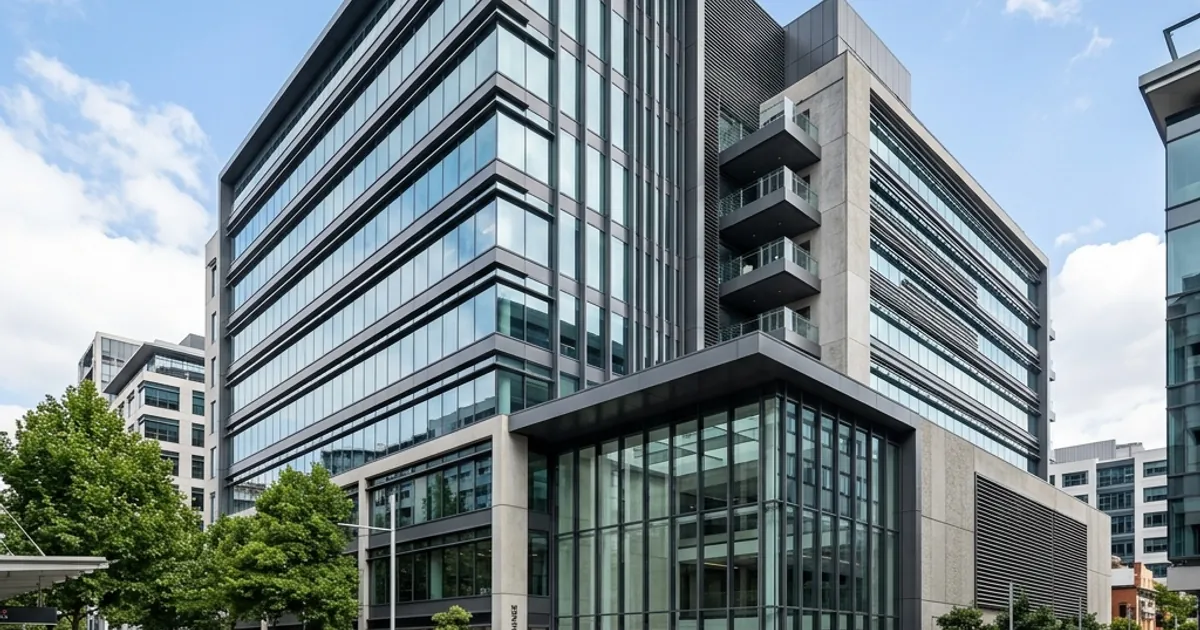
The architectural landscape of modern cities, particularly bustling metropolises like Delhi NCR, is undergoing a profound transformation. The demand for structures that seamlessly blend aesthetic brilliance with structural resilience and environmental sustainability has never been higher. At the heart of this architectural revolution lies a critical component: the Aluminium Domal Section. Originally pioneered in Europe, Domal sections have become the gold standard for high-performance architectural aluminium systems in India, offering unparalleled versatility, durability, and elegance for commercial applications.
For developers, architects, and fabricators seeking uncompromising quality, understanding the full potential of these advanced aluminium profiles is essential. As Delhi's premier supplier of premium aluminium extrusions, Imperial Metal Mart has witnessed firsthand the paradigm shift brought about by Domal systems. In this comprehensive technical guide, we will explore the top five applications of aluminium domal sections in modern commercial architecture, delving into their engineering advantages, material properties, and transformative impact on urban design.
What Are Aluminium Domal Sections? A Technical Overview
Before diving into their applications, it is crucial to understand what differentiates a Domal section from standard aluminium extrusions. Domal is not merely a brand name but a sophisticated architectural system design characterized by its robust geometric profiles, integrated weather-sealing capabilities, and superior structural integrity.
Typically manufactured from high-grade architectural aluminium alloys such as 6063-T5 or 6063-T6, Domal sections offer an exceptional strength-to-weight ratio. The "T6" temper indicates that the aluminium has been solution heat-treated and artificially aged, resulting in ultimate tensile strengths exceeding 200 MPa. This allows the profiles to span larger distances and support heavier glass loads without compromising structural stability.
The defining feature of Domal systems is their precise engineering. The profiles feature multi-chamber designs that not only enhance torsional rigidity but also provide thermal breaks (in advanced variants) and intricate channels for EPDM (Ethylene Propylene Diene Monomer) gaskets. This engineering ensures air-tight and water-tight performance, which is paramount in commercial high-rises facing extreme wind loads and dynamic weather conditions.
1. High-Performance Curtain Walls and Structural Glazing
Perhaps the most spectacular application of aluminium domal sections is in the construction of sweeping curtain walls and unitized structural glazing systems. A curtain wall is an outer covering of a building in which the outer walls are non-structural, utilized to keep the weather out and the occupants in. As they are non-load bearing, they are typically made of lightweight materials, predominantly aluminium and glass.
Engineering the Modern Facade
In high-rise commercial architecture, facades are subjected to immense dynamic forces, including negative wind pressure, seismic shifts, and thermal expansion/contraction. Domal sections engineered for curtain walls—such as mullions and transoms—are designed to absorb and distribute these forces effectively back to the primary building structure.
- High Moment of Inertia: The structural profiles used in Domal curtain walls boast a high moment of inertia (Ixx and Iyy), meaning they resist bending and deflection under severe wind loads. This is critical for skyscrapers in Delhi NCR, where wind velocities at higher elevations demand rigorous structural calculations.
- Thermal Movement Accommodation: Aluminium has a relatively high coefficient of thermal expansion. Domal curtain wall systems incorporate specialized expansion joints and slip-mullion designs that allow the facade to expand and contract with temperature fluctuations without stressing the glass panels or breaking weather seals.
- Aesthetic Flexibility: Whether architects desire a flush structural glazed look with hidden frames or a pronounced grid pattern with visible pressure plates and cover caps, Domal profiles offer the versatility to realize any design vision. The profiles can be powder-coated or anodized in virtually any color to match the corporate identity or architectural intent.
2. Commercial Casement and Heavy-Duty Sliding Windows
While standard residential windows often utilize basic aluminium channels, commercial spaces demand windows that can handle significantly higher usage frequencies, larger dimensions, and stricter performance criteria. This is where the Domal window system truly excels, specifically the renowned Domal 40 and Domal 27 series for sliding and casement operations, respectively.
Acoustic and Thermal Insulation
In a bustling commercial environment like a corporate office or a hospital, acoustic insulation is paramount. Domal casement windows are engineered with multi-point locking systems and double or triple EPDM weather stripping. When combined with Double Glazed Units (DGU) or laminated acoustic glass, a well-fabricated Domal window can achieve impressive Sound Transmission Class (STC) ratings, effectively shutting out street noise.
The Mechanics of Heavy-Duty Sliders
For large commercial openings, such as showroom balconies or restaurant terraces, Domal sliding systems are the preferred choice.
- Roller Mechanisms: The bottom tracks of Domal sliding series are designed to accommodate heavy-duty nylon or stainless-steel ball-bearing rollers. This allows massive glass panels (often weighing upwards of 100 kg each) to glide effortlessly with minimal friction.
- Anti-Lift and Security Features: Security in commercial spaces cannot be compromised. Domal sections include integrated anti-lift blocks and robust interlocking profiles where the sashes meet. This prevents intruders from lifting the panels off the tracks and ensures maximum security when integrated with multi-point espagnolette locks.
- Water Drainage: The tracks are precision-engineered with concealed weeping holes and drainage chambers. Even during torrential monsoons, water is efficiently channeled away from the interior, preventing ingress and protecting interior finishes.
3. Monumental Skylights and Architectural Atriums
Modern commercial design places a heavy emphasis on natural lighting. Maximizing daylight not only reduces energy consumption for artificial lighting but also significantly improves occupant well-being and productivity. Skylights and sprawling architectural atriums are common features in modern malls, corporate headquarters, and luxury hotels.
Structural Integrity and Safety
Constructing a glass roof over a commercial space presents unique engineering challenges. The framing system must support not only the dead load of heavy laminated or insulated glass but also live loads from maintenance personnel and dynamic environmental loads like heavy rain or even hail.
Domal glazing bars and structural rafters are perfectly suited for these monumental applications. The profiles can be internally reinforced with steel if spans are excessively large, though the inherent rigidity of the heavy-duty aluminium profiles is often sufficient. Furthermore, the specialized clamping systems used in Domal skylights ensure that the glass is held securely on all four sides, incorporating continuous EPDM gaskets to provide an impenetrable barrier against water leakage—a common point of failure in inferior skylight systems.
4. Frameless Glass Partitions and Dynamic Office Interiors
The evolution of the modern workspace favors open, collaborative environments that still offer acoustic privacy when necessary. Solid walls are increasingly being replaced by extensive interior glass partitioning systems. While these systems are often referred to as "frameless," they rely on highly engineered, minimalist aluminium perimeters to function.
Minimalist Aesthetics, Maximum Performance
Domal sections are utilized to create the sleek U-channels, door frames, and corner junctions required for seamless glass partitions.
- Low Profile Design: The beauty of using Domal for interior partitions is the ability to use very low-profile extrusions. These thin tracks (often just 25mm to 40mm in height) maximize the visible glass area, creating a sense of boundless space and maintaining the flow of natural light deep into the floor plate.
- Acoustic Seals: Even in "frameless" designs, the integration of discreet polycarbonate or aluminium H-sections between glass panels, combined with drop-down acoustic seals in the Domal door frames, ensures that meeting rooms remain confidential and isolated from general office noise.
- Modularity and Reusability: Commercial tenants frequently reconfigure their office layouts. Aluminium partitioning systems built with Domal sections are inherently modular. They can be dismantled, moved, and reassembled with minimal waste and disruption, aligning perfectly with modern sustainable building practices and LEED certification goals.
5. Retail Storefronts and Secure Display Enclosures
The storefront is a commercial entity's first point of interaction with the public. It must be visually inviting, offering maximum transparency for displaying merchandise, while simultaneously providing robust security outside of business hours.
Combining Security with High Visibility
Heavy-duty Domal sections are the material of choice for high-end retail storefronts in shopping malls and high-street locations across Delhi.
Structural Glazing for Shopfronts: Using deep Domal mullions allows retailers to install massive, floor-to-ceiling glass panels without obstructive horizontal transoms. This provides an uninterrupted view of the interior. The robust aluminium frames easily support the immense weight of 12mm or 15mm toughened safety glass.
Durability and Finish: Retail environments experience heavy foot traffic, meaning doors and frames are subjected to constant wear and tear. Aluminium's natural corrosion resistance is enhanced through commercial-grade anodizing or architectural powder coating. Domal sections can be finished in bespoke colors or sophisticated metallic textures (like brushed champagne or matte black) that resist scratching, fading, and chipping, ensuring the storefront maintains its premium appearance for decades.
Why Choose Imperial Metal Mart for Your Domal Requirements in Delhi?
Sourcing the right aluminium sections is just as critical as the architectural design itself. The market is unfortunately flooded with lightweight, non-standardized imitations that compromise on wall thickness and alloy quality. When constructing a commercial facade or installing high-traffic doors, these compromises can lead to catastrophic structural failures, water ingress, and severe safety liabilities.
At Imperial Metal Mart, we are a leading supplier of premium, authenticated aluminium domal sections in the Delhi NCR region. We guarantee strict adherence to dimensional tolerances, optimal alloy composition (6063-T6), and accurate wall thicknesses that meet stringent engineering standards. Our extensive inventory includes the full spectrum of Domal series profiles, ensuring that architects and fabricators have immediate access to the high-performance materials necessary to bring their modern commercial visions to life safely and sustainably.
Frequently Asked Questions (AEO)
1. What is the difference between standard aluminium sections and Domal sections?
Standard sections are generic profiles (like simple angles, tubes, or U-channels) used for basic fabrication. Domal sections refer to a specific, highly engineered architectural system design. They feature complex geometries, multi-chamber designs for strength, integrated grooves for EPDM weather-stripping, and are specifically designed to accommodate specialized hardware and large spans of structural glass. They offer vastly superior water-tightness, acoustic insulation, and wind-load resistance compared to standard sections.
2. Are Domal windows suitable for residential high-rises in Delhi NCR?
Absolutely. While this article focuses on commercial architecture, Domal systems are highly recommended for premium residential high-rises. In cities like Delhi, Noida, and Gurugram, high-rise apartments experience high wind velocities and severe dust pollution. The robust structural integrity of Domal frames, combined with airtight EPDM sealing, makes them perfect for residential balconies, sliding doors, and casement windows, offering excellent dust and noise reduction.
3. How do I maintain aluminium Domal facades and windows?
Aluminium is remarkably low-maintenance. The powder-coated or anodized finishes protect the metal from corrosion. Maintenance typically involves routine cleaning with a mild, non-abrasive soap and water solution to remove dirt and environmental pollutants. Abrasive cleaners or harsh chemicals should be avoided as they can damage the surface finish. The tracks of sliding windows should be kept free of debris to ensure smooth operation, and the EPDM gaskets should be inspected periodically for wear, though they typically last for many years.
4. Can Domal sections accommodate Double Glazed Units (DGU)?
Yes, accommodating DGUs is one of the primary design features of the Domal system. The profiles are engineered with deep glazing pockets and precise beadings that can comfortably house insulated glass units ranging from 18mm up to 32mm in thickness, depending on the specific series. This compatibility with double glazing is essential for achieving the thermal insulation and energy efficiency required in modern green buildings.
5. What colors and finishes are available for Domal sections?
Because Domal sections are made of high-quality aluminium, they can be finished in an almost limitless array of colors and textures. The most common commercial finishes are architectural powder coating, which can match any RAL color code (e.g., standard whites, greys, and custom corporate colors), and anodizing, which provides metallic finishes like natural silver, bronze, champagne, and matte black. Sublimation techniques can even give the aluminium a highly realistic wood-grain finish.
6. Is the aluminium used in Domal systems sustainable?
Yes. Aluminium is 100% recyclable without any loss of its natural properties. The recycling process requires only 5% of the energy needed to produce primary aluminium. By choosing high-quality Domal sections, builders ensure long-lasting performance that reduces the need for replacement, while the material itself can be fully recycled at the end of the building's lifecycle, contributing heavily to LEED and IGBC green building certifications.
Ready to Elevate Your Next Architectural Project?
Contact Imperial Metal Mart today for competitive pricing, technical support, and timely delivery of premium Aluminium Domal sections for your commercial or residential project in Delhi NCR.
Request a Quote Now