

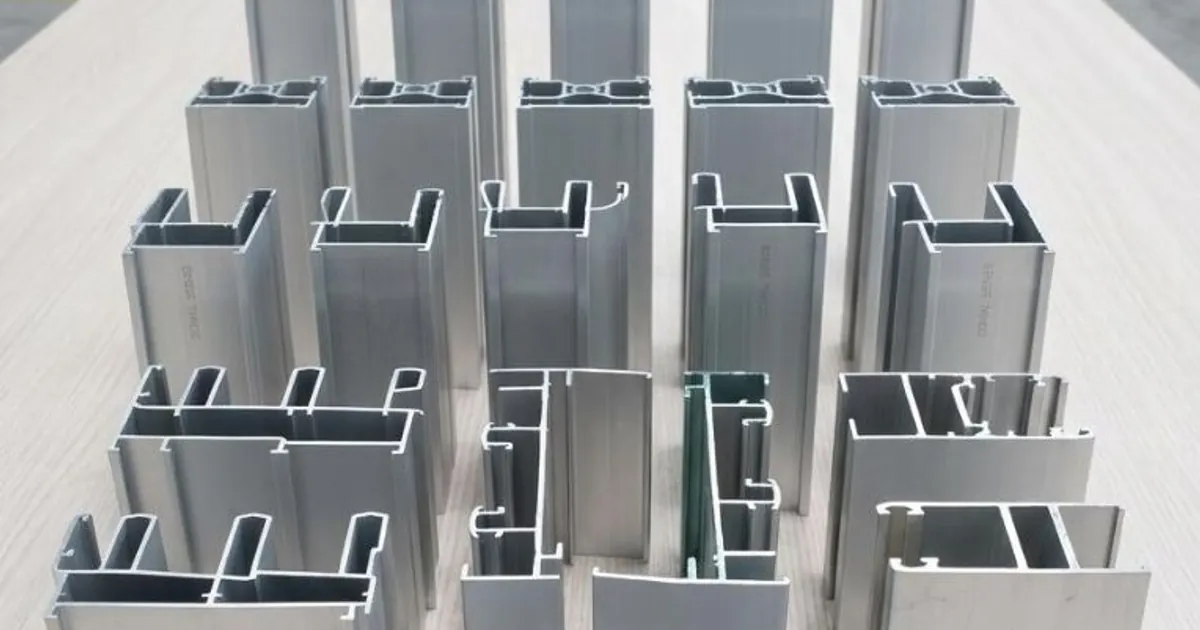
For decades, the standard architectural critique against aluminium windows was high thermal conductivity. While aluminium excels in mechanical tensile strength, slim sightlines, and corrosion resistance, pure metal conducts heat rapidly. In a blistering Indian summer reaching 45°C in Delhi NCR, non-insulated aluminium frames can transfer exterior ambient heat straight into your air-conditioned living spaces.
Enter thermal break aluminium window technology—the breakthrough that transformed modern sustainable building engineering. By inserting an ultra-low conductive polymer barrier between the interior and exterior aluminium profile extrusions, thermal break systems retain 100% of aluminium's architectural elegance while outperforming even UPVC in structural load capacity, lifespan, and modern energy conservation codes.
What is a Thermal Break? The Science of Polyamide 6.6
A "thermal break" (or thermal barrier) is a non-metallic structural element mechanically crimped between the interior and exterior halves of an extruded aluminium section.
Raw Aluminium Profile
Solid extruded metal creates a continuous "thermal bridge." Heat freely conducts through the frame:
Polyamide 6.6 (PA66 GF25) Barrier
Engineered polymer reinforced with 25% glass fiber stops heat dead in its tracks:
Polyamide conducts heat over 680 times slower than raw aluminium. Crucially, PA66 GF25 has an identical coefficient of linear thermal expansion to aluminium. When exposed to extreme temperature swings—from chilly 5°C winter nights to 48°C scorching summer afternoons—the metal and polymer expand and contract in perfect unison, preventing structural warpage, air gaps, or seal fatigue over 30+ years of operation.
Why Thermal Break Windows are Essential in Indian Climates
Indian climatic zones experience extreme seasonal variances. Here is why architects specifying modern villas, penthouses, and green commercial buildings prioritize thermally broken profiles:
- Massive Electricity Bill Reductions: Windows and glass facades account for up to 40% of building thermal heat gain. Pairing thermal break frames with Double Glazed Units (DGU) slashes HVAC air-conditioning compressor runtimes, cutting seasonal power consumption by 20% to 28%.
- Elimination of Winter Condensation: In North India (Delhi, Punjab, Haryana), running indoor heaters against cold single-pane frames causes water droplets to condense on window sills, damaging drywall and promoting toxic black mold. Thermal breaks keep the interior metal profile at room temperature, eliminating condensation.
- Dual-Color Architectural Customization: Because the inner and outer metal extrusions are manufactured as separate halves before being crimped with polyamide bars, you can specify dual-color finishes. For example: a durable Textured Anthracite Grey (RAL 7016) powder coating on the exterior facade, and a warm Italian Teak wood grain sublimation on the interior living room face.
- Acoustic Decibel Damping: The dense, non-metallic polyamide barrier also dampens acoustic soundwave resonances, providing superior sound attenuation (up to 42 dB) against street traffic when combined with acoustic laminated glass.
Comparing U-Values: Standard vs. Thermal Break Systems
The U-valuemeasures the rate of heat transfer through a building element (expressed in W/m²·K). A lower U-value signifies superior thermal insulation:
| Fenestration System | Glass Specification | Frame U-Value (W/m²·K) | Overall System U-Value |
|---|---|---|---|
| Standard Sliding Aluminium Window | Single 5mm Clear Glass | 5.8 – 6.5 | ≈ 5.6 W/m²·K (Poor) |
| Standard Domal Section (Non-Thermal) | DGU (6mm + 12A + 6mm) | 4.2 – 5.0 | ≈ 3.1 W/m²·K (Moderate) |
| Standard UPVC Window System | DGU (6mm + 12A + 6mm) | 2.2 – 2.8 | ≈ 2.2 W/m²·K (Good) |
| Thermal Break Aluminium Casement | Low-E DGU (6mm + 16Argon + 6mm) | 1.4 – 1.9 | ≈ 1.5 W/m²·K (Exceptional) |
Thermal Break Cost Breakdown in India (Per Sq. Ft.)
Because thermal break profiles require precision multi-chamber extrusion dies, polyamide bar insertion lines, and specialized rolling/crimping equipment, they command a premium over standard sections:
Standard Casement / Openable Windows
Profile depth 55mm to 65mm, dual EPDM gaskets, Low-E DGU glass
Heavy Lift & Slide Patio Doors
Spans up to 3 meters height per shutter, heavy wind load, 300kg roller capacity
Tilt & Turn Multi-Position Systems
German perimeter hardware, top ventilation tilt mode, full swing open mode
*Prices are indicative for Delhi NCR market and vary based on glass brand (Saint-Gobain / AIS), hardware manufacturer, and profile surface finish.
Frequently Asked Questions
Can an existing non-thermal aluminium window be converted into a thermal break system?
No. Thermal break profiles are completely engineered extrusion systems manufactured with specialized continuous retention grooves designed to mechanically grip polyamide bars. Standard sliding tracks or frames cannot be retrofitted; the entire frame must be replaced with thermally broken extrusions.
Are thermal break windows better than UPVC windows?
Yes, especially for luxury and large-format architectural applications. While UPVC offers good basic insulation, it lacks structural rigidity, making it susceptible to frame sagging, yellowing under intense Indian UV sun, and restricted window sash sizes. Thermal break aluminium delivers equal or superior thermal insulation while supporting massive floor-to-ceiling glass spans, razor-thin sightlines, and a 40+ year structural lifespan.
Does Jindal Aluminium manufacture thermal break profiles?
Yes. Jindal Aluminium extrudes advanced multi-cavity architectural profiles designed to accommodate standard European polyamide thermal insulation strips, allowing fabricators to build certified high-performance green-building fenestration conforming to ECBC (Energy Conservation Building Code) standards.
Upgrade Your Next Project with Premium Aluminium Sections
Imperial Metal Mart supplies certified Jindal Aluminium architectural profiles, Domal sections, and heavy fenestration extrusions in Delhi NCR. Get genuine factory metal with full test certificates.