

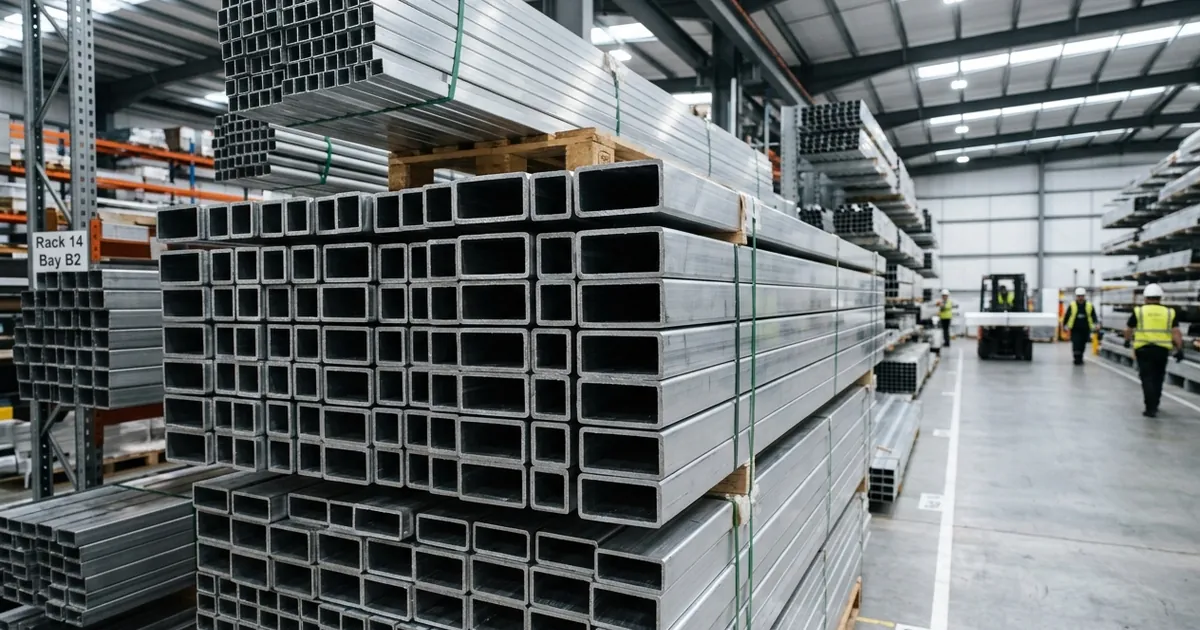
In India's rapidly growing commercial logistics, cold-chain transport, and electric mobility (EV) sectors, vehicle body builders are undergoing an irreversible shift away from heavy mild steel to precision extruded aluminium commercial vehicle profiles.
Traditionally, bus bodies and truck cargo boxes fabricated from carbon steel suffered from rapid rust corrosion under monsoon rains, heavy deadweight that wasted diesel fuel, and restricted legal payload capacity.
By switching to high-strength Jindal Aluminium transport sections, fleet builders slash vehicle body tare weight by 35% to 45%. This dramatic weight reduction allows logistics operators to carry significantly more commercial freight per trip, cuts tyre wear, improves diesel mileage, and extends the driving range of electric buses per battery charge.
The 5 Essential Extrusion Profiles in Commercial Vehicle Building
Building an aerodynamic, high-strength commercial vehicle body requires specialized interlocking extruded shapes from the Jindal Aluminium Catalogue:
1. Interlocking T-Fluted Flooring Planks
Extruded hollow floor planks featuring tongue-and-groove side locks and raised non-slip top ridges.
Primary Uses: Cargo truck floors and refrigerated (reefer) container decks. The raised T-slots allow cold air to circulate beneath stacked vegetable, dairy, or pharmaceutical pallets while enabling easy water wash-downs.
2. Vertical Side Pillars & Cant Rails
Heavy-duty structural vertical uprights and horizontal upper cant rails forming the skeletal perimeter cage of bus and truck bodies.
Primary Uses: Commercial bus side walls, delivery van side frames, and modular shipping containers.
3. Curved Roof Bows & Ceiling Trusses
Curved structural rafters that span across the ceiling width, supporting exterior aluminium roof sheets and interior passenger ceiling panels.
Primary Uses: City transit buses, luxury tourist coaches, and airport tarmac shuttle buses.
4. Exterior Rub-Rails & Side Under-Run Bars (SUPD)
Heavy extruded protective bumpers mounted along the lower exterior perimeter of trucks and trailers.
Primary Uses: Protects vehicle bodywork from loading dock scrapes and satisfies mandatory road safety regulations (Side Under-Run Protection Devices).
5. Aluminium Chequered Plate Profiles
Extruded and rolled plates featuring embossed 5-bar slip-resistant tread patterns.
Primary Uses: Bus entry footsteps, tail-lift loading ramps, ambulance interior walkways, and fire engine decks.
Standard Dimensions & Application Reference Table
Below is a dimensional reference chart for commercial transport extrusion profiles stocked in Delhi NCR:
| Vehicle Component | Cross-Section Dimensions (mm) | Wall Thickness (mm) | Primary Fleet Benefit |
|---|---|---|---|
| T-Fluted Floor Plank | 150.0 × 32.0 mm (Interlocking) | 2.50 to 3.00 mm | Reefer airflow circulation, non-slip forklift loading |
| Side Wall Pillar Section | 60.0 × 40.0 mm | 2.20 to 2.80 mm | Rigid vertical sidewall posts resisting cargo bulge |
| Top Cant Rail Beam | 75.0 × 50.0 mm | 3.00 mm | Joins sidewalls to roof bows with rain gutter flange |
| Curved Roof Bow Section | 40.0 × 25.0 mm (Hollow Box) | 2.00 mm | Lightweight ceiling arch shedding rainwater outward |
| Corner Post Angle Pillar | 80.0 × 80.0 mm (Corner Shape) | 3.50 to 4.00 mm | Heavy impact corner reinforcement for container boxes |
Why Aluminium Trumps Steel for Commercial Vehicles
- Increased Revenue per Trip: Because an aluminium truck container weighs hundreds of kilograms less than a mild steel body, transport companies can legally carry additional cargo payload on every single highway run without exceeding RTO gross vehicle weight (GVW) limits.
- 100% Rust Immunity: Cold-chain reefer trucks carry ice and frozen foods that cause steel floorboards to rust out in 3 to 4 years. Aluminium never rusts, lasting over 15+ years in wet refrigerated conditions.
- High Scrap Salvage Value:At the end of a commercial vehicle's 15-year lifecycle, mild steel bodies have virtually zero salvage value due to rust flakes. In contrast, an aluminium vehicle body retains over 75% to 85% of its raw metal market value when recycled.
Frequently Asked Questions
What standard lengths are vehicle body extrusions supplied in?
Jindal transport sections are manufactured in standard lengths of 3.66 meters (12 feet), 4.88 meters (16 feet), and 6.0 meters (20 feet) to match standard truck chassis wheelbases across India.
How are aluminium bus body sections joined together?
Commercial vehicle body builders assemble aluminium sections using high-shear structural blind rivets (Huck bolts or Avdel fasteners) and TIG/MIG welding. Structural polyurethane (PU) adhesives are also used to bond exterior aluminium skin sheets to the internal frame, eliminating visible exterior rivet heads.
Can Imperial Metal Mart supply transport profiles in Delhi NCR?
Yes. Imperial Metal Mart stocks genuine Jindal Aluminium tubes, corner angles, floor planks, and structural transport profiles in Paharganj, New Delhi, serving vehicle body builders and fabrication workshops across North India.
Source Transport Body Sections in Delhi NCR
Imperial Metal Mart supplies genuine Jindal Aluminium structural profiles, tubes, angles, and floor sections to commercial body builders across North India.